Top Wood Grain Floor Mat Manufacturers Worldwide
Choosing among the top Wood Grain Floor Mat manufacturers worldwide takes more than comparing product photos. A realistic wood pattern can warm a bathroom, kitchen, or entryway, but appearance is only part of the decision. Buyers should also examine surface texture, backing grip, edge finishing, thickness, and resistance to routine moisture. Small details matter. A mat that curls at the corner or shifts on tile can quickly become frustrating.
Manufacturers differ in materials, production capacity, customization, and quality-control practices. Some offer printed PVC surfaces; others combine layered materials for a softer feel or firmer support. These descriptions should be checked against product specifications and samples, not accepted on appearance alone. Request clear information about dimensions, cleaning instructions, packaging, and available testing. For wholesale buyers, consistency between sample and bulk production deserves particular attention. A beautiful grain in one sample may not look identical across a large order.
This guide introduces manufacturers and practical factors for evaluating them, including product range, customization options, communication, and evidence of manufacturing experience. It does not assume that one supplier suits every market. Climate, flooring type, customer expectations, and price targets all affect the right choice. Even a well-made mat can disappoint when its use is poorly matched. Compare carefully, ask specific questions, and leave room for uncertainty: supplier claims are useful, but verified details are more dependable.
What Defines Wood-Grain Floor Mats: Materials, Formats, and Core Uses
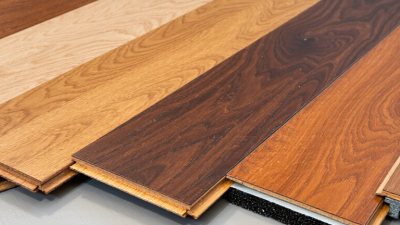
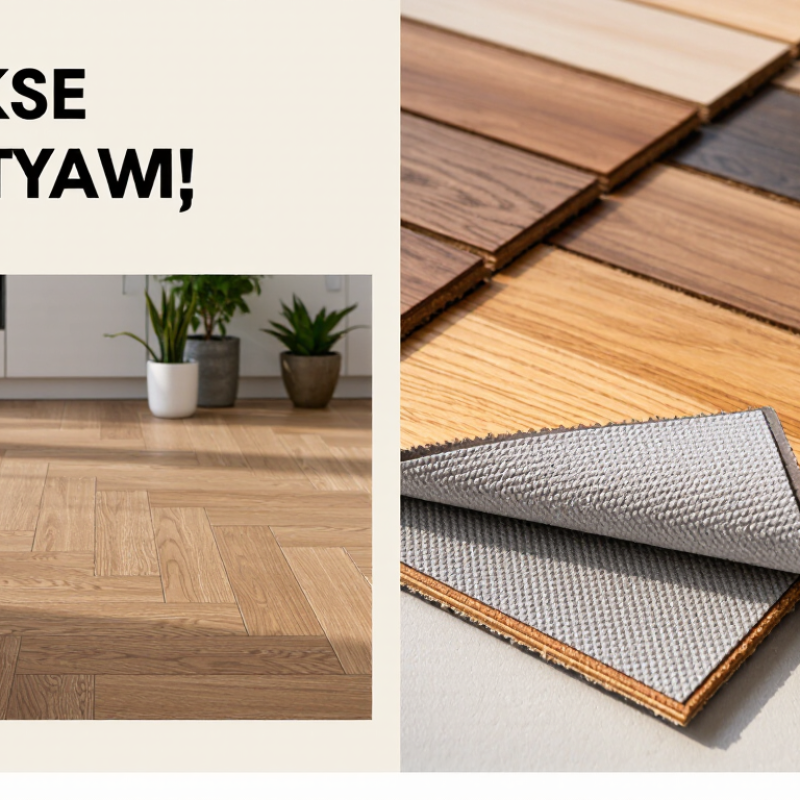
Wood-grain floor mats imitate timber’s lines without using solid boards. Many have a printed PVC or vinyl surface, with foam, rubber, or textile backing for cushioning and grip. Materials vary, so check the product details rather than assuming every wood-look mat performs alike. A shallow embossed grain is generally easier to wipe; deeper grooves may hold crumbs or moisture. Common formats include rolls, cut-to-fit sheets, interlocking tiles, and small doorway mats. Small detail. A curled edge can catch a shoe, so fit and backing matter as much as appearance.
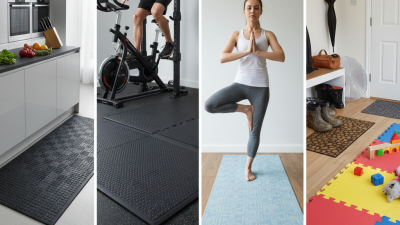
These mats are used in kitchens, laundry areas, entryways, and workspaces, where people want a wood-like look with a surface that is easier to clean. Grand View Research’s Vinyl Flooring Market Size, Share & Trends Analysis Report estimated the global vinyl flooring market at USD 30.6 billion in 2023 and projected a 5.2% compound annual growth rate from 2024 to 2030. That figure covers vinyl flooring broadly, not wood-grain mats alone. For damp areas, check care instructions and slip performance; not every printed surface is suited to wet floors. For workshops, cushioning and edge stability may matter more than a convincing grain pattern. I would inspect the underside before trusting the product photo.
What Defines Wood-Grain Floor Mats?
Indicative thickness ranges by common construction type. Actual products vary; these ranges are not industry standards.
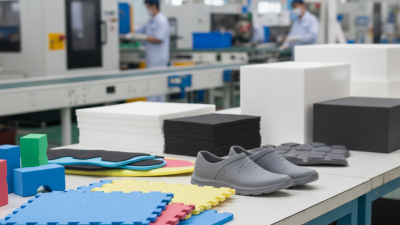
Thin PVC mats are often used as decorative floor coverings in kitchens and entryways. Foam-backed PVC and rubber-backed constructions add cushioning or grip for indoor work areas, while thicker EVA interlocking tiles are commonly used where extra underfoot cushioning is useful. Roll, sheet, and tile formats suit different room layouts and installation needs.
How Wood-Grain Mats Are Manufactured: Printing, Embossing, and Wear Layers
Wood-grain floor mats begin with a flexible base sheet, often made from vinyl or another resilient polymer. The surface is cleaned and smoothed so printed patterns sit evenly. Designers prepare wood images with varied grain lines, knots, and color shifts. Printing may use rollers or digital equipment, depending on the production run. Careful alignment matters: a misplaced repeat can make the pattern look artificial across a wide floor area. Not every grain looks natural.
After printing, embossing adds texture that follows, or deliberately contrasts with, the visual grain. Heated rollers or plates press shallow ridges and pores into the surface. The depth must feel convincing without making the mat difficult to clean. A transparent wear layer is then applied to help resist scuffs, moisture, and routine abrasion.
Thicker layers can improve durability, but they may also affect flexibility and cost. Quality checks can include inspecting print registration, surface texture, and layer consistency. Even careful production is not perfectly uniform; small differences deserve attention rather than dismissal. The right balance depends on foot traffic, cleaning habits, and the surface beneath the mat.
Where Leading Manufacturers Are Based and What Their Product Portfolios Include
Wood-grain floor mat manufacturers are concentrated in Asian production hubs, particularly China, where established flooring and plastics supply chains support high-volume output. Vietnam and India also host producers serving export markets, while manufacturers in Turkey, Europe, and North America often focus on regional distribution or specialized designs. Exact capabilities vary by factory, so a country of origin alone says little about quality.
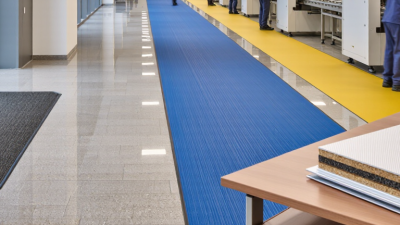
Portfolios commonly include printed PVC mats, textured vinyl runners, rubber-backed entry mats, and cushioned kitchen or standing mats. Some suppliers offer wood-look surfaces in plank patterns, muted oak tones, or darker walnut-style finishes. Others add beveled edges, non-slip backing, washable surfaces, or custom dimensions.
Details matter.
A sample should be checked for print clarity, edge curling, backing grip, and odor after unpacking.
Manufacturers may also supply rolls for cut-to-size orders alongside finished mats for homes, shops, and hospitality spaces. Catalogs can make every finish seem convincing; real samples sometimes disagree.
Not every finish lasts.
Buyers should ask how the surface handles repeated wiping, sunlight, and damp shoes, then compare those answers with product specifications. Claims about wear resistance are more useful when supported by clear test methods, rather than broad marketing language.
How ISO 23999 Measures Dimensional Change in Resilient Floor Coverings
For buyers comparing wood-grain floor mats, appearance is only part of product performance. ISO 23999 measures dimensional stability and curling in resilient floor coverings after heat exposure. In a controlled laboratory, prepared specimens are measured, heated under specified conditions, then measured again. Details matter. The change in length and width is calculated against the original dimensions, while curling is assessed separately. These results help show whether a mat may shrink, expand, or lift at its edges when exposed to heat.
A small dimensional change can matter near doorways, seams, or fitted furniture. For manufacturers, repeatable testing supports quality checks across production batches; for buyers, it offers a more useful comparison than appearance alone. A test report should identify the product, test method, conditions, and measured results. Not a guess. A reassuring number still deserves context: installation, backing, substrate, and everyday temperature swings can affect performance. ISO 23999 is a laboratory measure, not a promise that every floor will behave identically. I would also check that the tested construction matches the mat being offered, since a similar-looking surface may conceal different layers.
How ISO 24343-1 Reports Residual Indentation in Millimeters for Product Comparison
ISO 24343-1 gives buyers a consistent way to assess residual indentation in flooring. A test applies a specified load, then measures the remaining indentation after the required recovery period. The result is expressed in millimeters. For example, a reported value of 0.10 mm indicates less measured residual indentation than 0.20 mm under comparable test conditions.
Small differences matter. A lower figure can suggest better resistance to lasting dents from furniture or concentrated pressure. But comparisons are meaningful only when products were tested using the same standard, procedure, and reporting basis. Check the technical sheet for the test result and standard reference, not just a headline claim.
For wood grain floor mats, appearance alone says little about indentation performance. Material, thickness, backing, and construction can all affect results. Test conditions also differ from the shifting loads and temperature changes of a real room. A millimeter figure is useful, not complete. It can feel more decisive than it really is, so consider it alongside intended use and other product data.
Top Wood Grain Floor Mat Manufacturers Worldwide - How ISO 24343-1 Reports Residual Indentation in Millimeters for Product Comparison
ISO 24343-1 describes a test method for determining residual indentation in resilient floor coverings. Product-specific results must come from test reports; the standard is not a manufacturer ranking and does not provide universal results for wood-grain floor mats.
| Comparison dimension |
What can be reported accurately |
Unit or format |
Information needed for product comparison |
| Tested property |
Residual indentation: the remaining indentation determined using the method specified in ISO 24343-1. |
Millimeters (mm) |
A measured result for the specific product and specimen. |
| Product result |
Not stated here: no verified, product-specific test reports were provided. |
mm |
Enter the value exactly as reported by the testing laboratory; do not infer or estimate it. |
| Interpretation |
For results obtained under comparable test conditions, a lower residual-indentation value indicates less remaining indentation. |
mm |
Compare only results produced using the same method and relevant test conditions. |
| Standard reference |
ISO 24343-1 specifies a method for measuring residual indentation in resilient floor coverings. |
Standard designation |
Record the standard edition cited in the product’s test report. |
| Specimen identification |
A meaningful result applies to the tested specimen, not automatically to every product with a similar wood-grain appearance. |
Product description |
Record material, construction, thickness, backing, and specimen identification when available. |
| Test conditions |
Residual-indentation values should be interpreted in the context of the method and conditions documented in the test report. |
As stated in report |
Include reported conditioning, loading, timing, and measurement details where supplied. |
| Pass/fail threshold |
ISO 24343-1 is a test method; a product acceptance limit must come from a separate applicable specification or purchasing requirement. |
Specified limit, if applicable |
Identify the applicable product specification before judging a result as passing or failing. |
| Manufacturer comparison |
No manufacturer or brand results are listed because independently verifiable product test data were not provided. |
Report-backed data only |
Populate comparisons only with traceable laboratory reports for the exact products being evaluated. |