How to Choose Interlocking Gym Mats for Your Home Gym?
Creating a home gym can be a rewarding journey. One of the essential components to consider is the flooring. Interlocking gym mats play a crucial role in providing comfort and safety during workouts. They offer a cushioned surface that reduces the risk of injury.
When choosing interlocking gym mats, it’s important to focus on quality and durability. High-quality materials can withstand heavy use over time. Additionally, compare various thicknesses to find what feels best for you. Keep in mind that the right choice may depend on the types of exercises you plan to perform.
Reflect on your space and how the mats will fit into it. The design and color can also impact the overall aesthetic of your gym. While it may be tempting to choose based on looks alone, functionality should remain a priority. Take the time to assess your options, and remember that making the right choice can enhance your workout experience significantly.
Understanding the Importance of Interlocking Gym Mats for Home Gyms
When setting up a home gym, the importance of interlocking gym mats cannot be overstated. These mats provide a stable and comfortable surface for various workouts. They help in reducing the risk of injury by offering cushioning and support during exercises. A good mat absorbs impact, protecting both your joints and the flooring beneath it. This makes them essential for high-intensity workouts or weight training sessions.
Choosing the right interlocking mats involves considering several factors. Thickness and material greatly influence performance. Thicker mats offer more cushioning but can make balance exercises harder. Material choices range from foam to rubber, each serving different purposes. Rubber mats are durable and suited for heavy equipment, while foam mats are lighter and perfect for bodyweight exercises. However, the decision may not be straightforward. Some users find foam mats wear out quicker than expected, leading to potential frustrations.
In addition, cleaning and maintenance can be a concern. Mats may trap dust and sweat, demanding regular upkeep to ensure hygiene. Users sometimes overlook this, leading to unpleasant odors or buildup. Cost can also be a factor, as higher-quality options tend to be more expensive. Balancing budget with quality can pose a challenge for many. Therefore, careful consideration is critical when selecting interlocking gym mats for a home gym.
Key Factors to Consider When Selecting Gym Mats
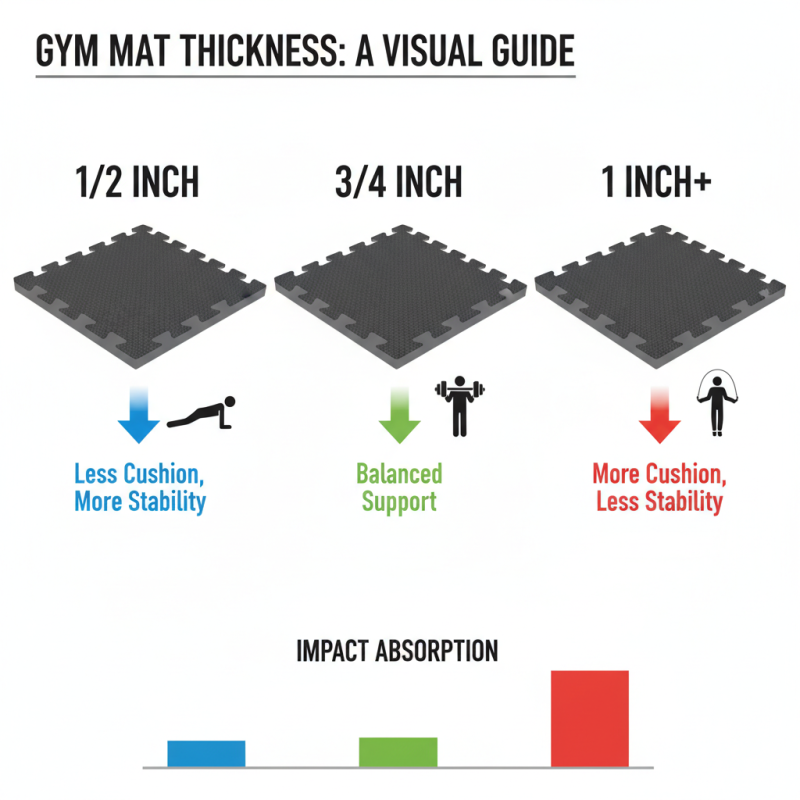
Choosing the right interlocking gym mats is essential for your home gym. You need to consider several key factors to ensure safety and performance. First, think about the thickness of the mats. Thicker mats can provide more cushioning, which is beneficial for high-impact workouts. A typical thickness ranges from 1/2 inch to 1 inch. But keep in mind, thicker mats may be less stable for certain exercises.
Another important aspect is the material of the mats. Look for options that are made from high-density foam or rubber. These materials offer durability and are easier to clean. However, not all materials suit every workout type. For example, softer mats may not be ideal for heavy lifting. Consider your specific gym activities when making your choice.
Also, check the surface texture of the mats. Some have a smooth surface, while others are more textured. A textured surface can provide better grip but might be harder to clean. Think about how much maintenance you are willing to handle. Lastly, consider the size and shape of the area where the mats will be placed. Measuring your space accurately will help you avoid awkward gaps. Each detail matters in creating a practical and comfortable workout environment.
Types of Materials Used in Interlocking Gym Mats
When selecting interlocking gym mats, the material is crucial. Different materials offer varying levels of comfort, durability, and ease of cleaning. Foam mats, for instance, are popular for their cushioning. They are lightweight and provide a good grip for workouts like yoga or Pilates. However, they may wear out faster with heavy use.
Rubber mats are another option. They are durable and ideal for high-impact activities such as weightlifting or martial arts. Their sturdy nature ensures stability and safety. Yet, rubber can be heavier and more challenging to install. It’s essential to evaluate your specific needs and space before making a choice.
Vinyl mats are also worth considering. They offer a glossy finish and are often easier to clean. But they may lack the same level of shock absorption as foam or rubber. Choosing the right material depends on your workout style and preferences. Reflect on the types of exercises you plan to do. This will guide you in selecting mats that suit your home gym best.
Evaluating Thickness and Density for Optimal Comfort and Safety
Choosing the right interlocking gym mats is essential for a home gym. When evaluating thickness, consider the types of workouts you'll do. Thicker mats offer more cushioning, which is beneficial for high-impact exercises like jumping or lifting weights. A thickness of around 1 inch is often recommended for safety and comfort. However, if space is a concern, mats between ½ inch and ¾ inch can still provide adequate support.
Density is equally important. Denser mats tend to be more durable and can withstand heavier weight without compressing. This is crucial for maintaining stability during workouts. A general rule is to seek mats with a density between 50 to 80 pounds per cubic foot. Keep in mind that denser materials might feel harder underfoot. Some users prefer a softer feel, so personal preference plays a role. Reflect on your workout style and the level of comfort you desire. Balancing thickness and density is key to creating a safe environment for exercise.
How to Choose Interlocking Gym Mats for Your Home Gym? - Evaluating Thickness and Density for Optimal Comfort and Safety
| Mats Type |
Thickness (inches) |
Density (lbs/ft³) |
Best Use |
Additional Features |
| High-Density Foam |
1.5 |
5 |
General fitness |
Non-slip surface |
| Rubber |
0.5 |
10 |
Weightlifting |
Durable and heavy-duty |
| EVA Foam |
1.0 |
3 |
Yoga and Pilates |
Lightweight and portable |
| Carpet Top |
2.0 |
6 |
Martial arts |
Comfortable footing |
| Interlocking EVA |
0.75 |
4 |
Children's play area |
Easy to assemble |
Maintenance Tips for Longevity of Your Gym Mats
Cleaning your interlocking gym mats is essential for their longevity. Regularly sweeping or vacuuming removes dirt and debris. Occasionally, you should mop the mats with a mild soap solution. This helps prevent odors and bacteria buildup.
Stains can be challenging. For tough stains, consider using a soft scrub brush. However, be careful not to damage the mat's surface. Always test any cleaner on a small area first. Surfaces can wear down over time, so avoid using abrasive products.
Storing your mats properly is just as crucial. When not in use, keep them in a dry place. Moisture can lead to mold, which is a significant issue. Make it a habit to inspect your mats regularly. Look for signs of wear, such as cracks or tears. Addressing these issues early can prolong their life.