20+ years of production experience
Leave Your Message

How to Choose Foam Gym Floor Mats in 2026?

Choosing Foam Gym Floor Mats in 2026 means matching the surface to the way you train, not simply picking the thickest option. A home strength area needs firm support beneath a rack. A stretching corner may benefit from more cushioning. In a busy garage, sweat, dust, and occasional dropped weights all matter. Small details count.

A useful rule for this guide comes from Dana Brooks, a fictional composite flooring specialist: “Choose for the heaviest regular use, then check that the surface still feels stable underfoot.” This is an editorially created quotation, not a statement from a real, independently verified expert. It reflects a practical point: softness alone does not tell you how a mat will perform. Material density, thickness, interlocking edges, surface texture, and cleaning needs deserve a closer look. Product descriptions can be vague, too.

The sections ahead explain how to compare these features, measure your training space, and assess common foam types. They also consider comfort, durability, odor, and setup, so you can weigh trade-offs before buying. If possible, test a sample with your actual shoes and equipment. A mat can feel pleasant in a shop yet shift beneath a bench at home. That’s easy to miss. No single option suits every room, routine, or budget; even careful guidance has limits. Use the checklist as a starting point, and verify product specifications with the manufacturer before deciding.
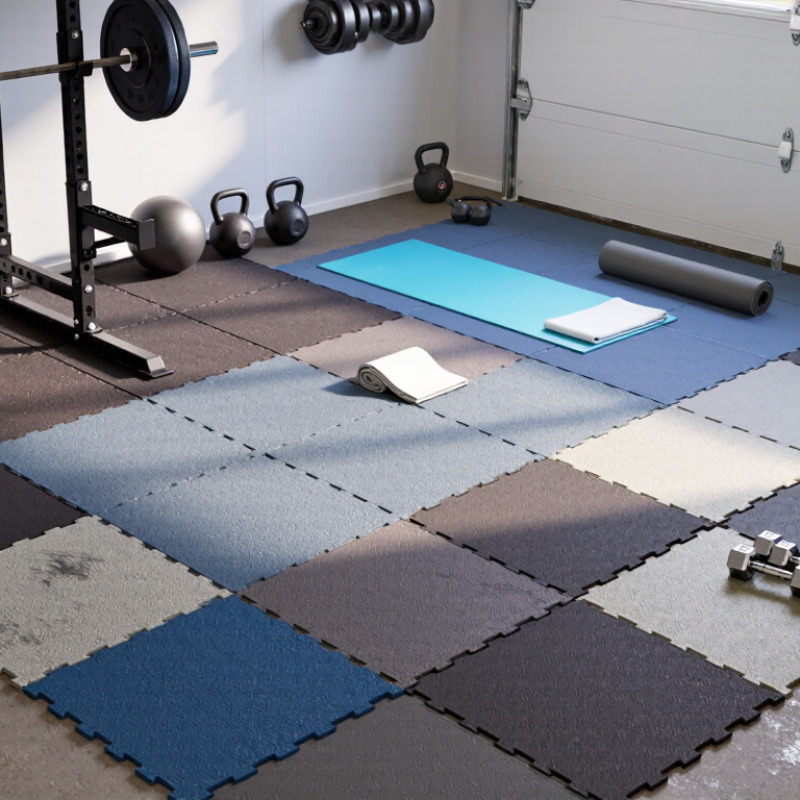
How to Choose Foam Gym Floor Mats in 2026?

Assess Your Training Activities and Available Floor Space

Before choosing foam gym floor mats in 2026, list the workouts you actually do. Yoga and mobility work need a stable surface; burpees and lateral drills call for secure seams and enough coverage. SFIA’s 2024 Topline Participation Report counted 242.4 million U.S. participants in at least one sport or fitness activity during 2023. That variety makes your own routine more useful than a generic room-size estimate.

Measure the usable floor, not the entire room. Exclude door swings, shelves, and other obstacles, then mark the mat area with painter’s tape. Leave space to step off the mat safely and move around equipment. Measure twice. If you train with dumbbells, consider where they may land; foam intended for body-weight exercise may not suit repeated heavy impacts.

Tips: Sketch your workout zone and test each movement inside it. A small sample can reveal whether mats slide on your floor or feel too soft underfoot. Check that interlocking edges stay flat during side steps. I once underestimated the space needed for a full lunge; the tape test would have caught it. Keep a little spare floor area, but don’t buy extra mats before checking how they fit around fixtures.

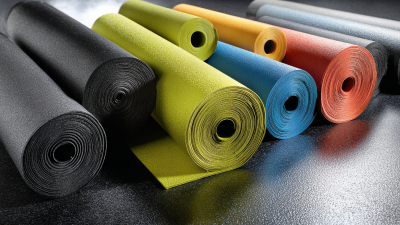
Compare Foam Types, Density, Thickness, and Cushioning

Foam type changes how a mat feels underfoot. EVA foam is light, easy to move, and commonly used for home workouts. EPE foam often feels softer, but may compress more under repeated loading. Cross-linked polyethylene can offer a firmer, more resilient surface. Feel the texture, too. A smooth mat may suit stretching, while a textured surface can help reduce slipping during dynamic exercises.

Density matters as much as thickness. Higher-density foam generally resists compression better, giving weights and joints more consistent support. Yet density labels are not always comparable between manufacturers. Check the stated specifications, then press the mat with your thumb and notice how quickly it rebounds. A quick test, not a lab result. I would not choose by density alone.

Thickness affects cushioning and balance. Around 6–10 mm may work for controlled bodyweight training, while thicker mats can soften floor exercises and protect knees. Too much cushioning, however, can feel unstable during lunges or single-leg movements. Try a few slow squats on the surface before buying. It may still feel different after weeks of use, especially where you land most often.

Evaluate Grip, Durability, Moisture Resistance, and Safety

How to Choose Foam Gym Floor Mats in 2026?
Evaluate Grip, Durability, Moisture Resistance, and Safety

A good mat should stay put during movement, not slide when you plant a foot or turn. Check its underside on the actual floor, since dust, polished surfaces, and floor cleaners can change traction. Try a few controlled steps before a full workout. Feel the edge. If it curls or shifts, that is a warning. Surface texture matters too: a very smooth finish may feel slippery when damp, while deep grooves can collect dirt.

Durability depends on foam density, thickness, and how often the mat will be used. Press a thumb into it; slow recovery may suggest softer support, but it does not predict lifespan by itself. Look for clear care instructions and inspect seams and corners after regular use. Moisture resistance is useful for sweaty sessions, yet no foam surface should be assumed waterproof. Wipe it promptly and let it dry fully. I still find drying underneath easy to overlook, especially after moving several mats.

Tips: Compare grip on your own floor, check that the mat lies flat, and clean it as directed. If you notice a persistent odor, cracking, or slippery patches, stop using it until you can assess the cause.

How to Choose Foam Gym Floor Mats in 2026? — Evaluate Grip, Durability, Moisture Resistance, and Safety

Mat Type Grip Typical Durability Moisture Resistance Safety and Support Best Suited For What to Check Before Buying
Standard EVA interlocking foam Moderate
Surface texture and the floor beneath it affect traction; some smooth finishes can feel slippery when wet.
Moderate
Suitable for general exercise, but repeated heavy loads may leave dents or loosen tile connections.
Good
Many EVA mats are closed-cell and resist water, though seams can let liquid pass through.
Moderate cushioning
Provides a more forgiving surface for floor exercises; not a substitute for impact-rated sports flooring.
Home workouts, stretching, and light bodyweight training. Check tile fit, edge finish, surface texture, and whether the mat stays in place on your floor.
High-density EVA foam Moderate to good
A textured top can improve footing, but traction varies by finish and footwear.
Good for regular home use
Higher density generally resists compression better than softer foam, but does not make it suitable for every heavy load.
Good
Closed-cell construction is typically easy to wipe clean; protect joints and edges from standing water.
Firm, cushioned support
Often more stable underfoot than very soft foam. Thickness alone does not determine impact protection.
Frequent home training, yoga, mobility work, and light fitness equipment. Look for stated density or compression information, secure connections, and clear care instructions.
PE foam tiles or rolls Variable
Textured versions can offer useful grip; smooth polyethylene surfaces may be less secure.
Moderate
Lightweight PE foam can compress under concentrated or repeated loads.
Good
Closed-cell PE foam generally absorbs little water, although seams and damaged surfaces can still admit moisture.
Light cushioning
Check firmness and intended use; softer or thinner products may not provide enough support for dynamic exercise.
Temporary floor coverage, light exercise, and areas where easy handling matters. Confirm the product is intended for exercise flooring, not just general-purpose packing or play use.
NBR foam exercise mats Moderate
Grip depends on surface pattern; sweat can reduce traction on some finishes.
Moderate
Comfortable for floor work, but soft foam can mark or compress under heavy equipment.
Good
Many NBR mats are water-resistant and wipeable; allow the surface to dry after cleaning.
Soft cushioning
Helpful for kneeling and stretching, but excessive softness may feel unstable during balance or standing movements.
Stretching, Pilates-style floor work, and general exercise without heavy equipment. Check thickness, firmness, surface grip, and whether the mat lies flat without curling at the edges.
TPE foam exercise mats Moderate to good
Patterned surfaces may improve traction; performance varies with moisture and the mat’s finish.
Moderate
Appropriate for many personal workouts, but resistance to wear depends on construction and use.
Good
Typically easy to wipe clean; follow the care instructions and avoid leaving moisture trapped beneath the mat.
Balanced cushioning
Can suit mixed floor routines, but cushioning and stability vary with thickness and firmness.
Portable home exercise, yoga, and mixed low-impact floor routines. Check the manufacturer’s material and cleaning information, surface grip, and suitability for your workout type.

Selection note: Ratings are general comparisons, not standardized test results. Actual grip, wear, and moisture performance depend on the product’s formulation, surface texture, installation, floor condition, and care. For weight training or impact-heavy activity, choose flooring specifically rated for that use and confirm the equipment’s load requirements. Keep mats clean and dry, check that they do not slide or separate, and replace damaged or persistently compressed sections.

Choose Mat Dimensions, Edge Design, and Installation Style

Choose mat dimensions from the movements you actually practice, not just the room’s empty footprint. Measure the usable floor, then leave clear space around walls, equipment, and landing zones. A 60-centimeter-square tile is easy to carry and replace, but many seams can shift under repeated kicks or jumps. Larger panels reduce seams; they are also harder to fit around posts and corners. Measure twice. I still recheck door swings, because that detail is easy to miss.

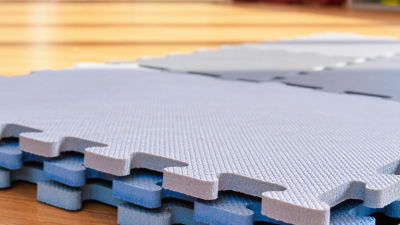
Edge design affects both comfort and stability. Beveled borders soften the step onto the mat and make exposed edges less abrupt. Interlocking edges help keep modular tiles aligned, though a loose subfloor can still let them creep. ASTM International’s F2772 standard evaluates indoor sports flooring using four performance measures, including force reduction and vertical deformation. That is useful context, not proof that every foam mat meets the standard. Ask for product-specific test information.

Installation should match how permanent the training area needs to be. Interlocking tiles suit shared rooms and allow damaged sections to be replaced. Roll-out mats create fewer seams, but need enough storage space and a flat surface. For a fixed training zone, verify that the subfloor is clean, dry, and level before installation. A small test area helps reveal gaps, rocking, or edge lift. Imperfect floors need attention. Don’t force a fit.

Check Certifications, Care Requirements, and Long-Term Value

How to Choose Foam Gym Floor Mats in 2026?

A certificate is useful only when it matches the mat you plan to buy. Check that test reports identify the exact product, material, and thickness, rather than a similar model. Look for independent results covering relevant concerns, such as chemical emissions, slip resistance, or impact performance. Requirements vary by location and gym use, so ask what each test actually measures. Small print matters.

Care instructions can affect safety and lifespan. Confirm which cleaners are permitted; harsh chemicals may weaken foam or leave a slippery film. Ask whether mats can be rinsed, how quickly they should dry, and how to clean seams where sweat and dust collect. A damp corner that stays wet overnight is a warning sign. Keep it simple.

Long-term value depends on more than the price per mat. Compare expected wear, replacement availability, warranty exclusions, and how easily damaged sections can be swapped. Denser foam may resist compression better, but it is not automatically right for every activity. Match thickness and firmness to the movements performed and the surface beneath. I would not assume the most expensive option lasts longest; published test details and clear care guidance are stronger evidence. A small trial area can reveal shifting, odor, or cleaning problems before you cover the whole room.