How to Choose the Best ABC Foam Mat for Your Business?
Choosing the right Abc Foam Mat is more than a color decision. It affects comfort, cleaning routines, storage, and how often damaged tiles need replacing. Grand View Research estimated the global toys market at USD 108.7 billion in 2023. That broad market figure signals commercial scale, but it does not measure ABC foam mats specifically. Buyers should treat it as context, not proof of mat demand. Details matter.
Play researcher Dr. Stuart Brown wrote, “The opposite of play is not work—it’s depression.” His work concerns the value of play, not foam-mat specifications. Still, it offers a useful reminder: a mat should serve the people who use the space. For a retailer, gym, or childcare business, compare thickness, foam feel, seam fit, surface grip, and cleaning instructions. Ask suppliers for material details and relevant test documentation. Check whether replacement tiles are available. Try assembling a sample on the actual floor; seams that look neat on a desk may shift under busy feet. Small test. Big difference.
This guide will help you weigh those practical points against price, order volume, and expected use. A lower quote can look attractive. It may not include durable packaging or clear care guidance. No single specification guarantees a good purchase, and the right choice depends on your setting. A little uncertainty is normal; record what you test, and revisit the decision after real use.
Understanding ABC Foam Mats and Their Business Uses
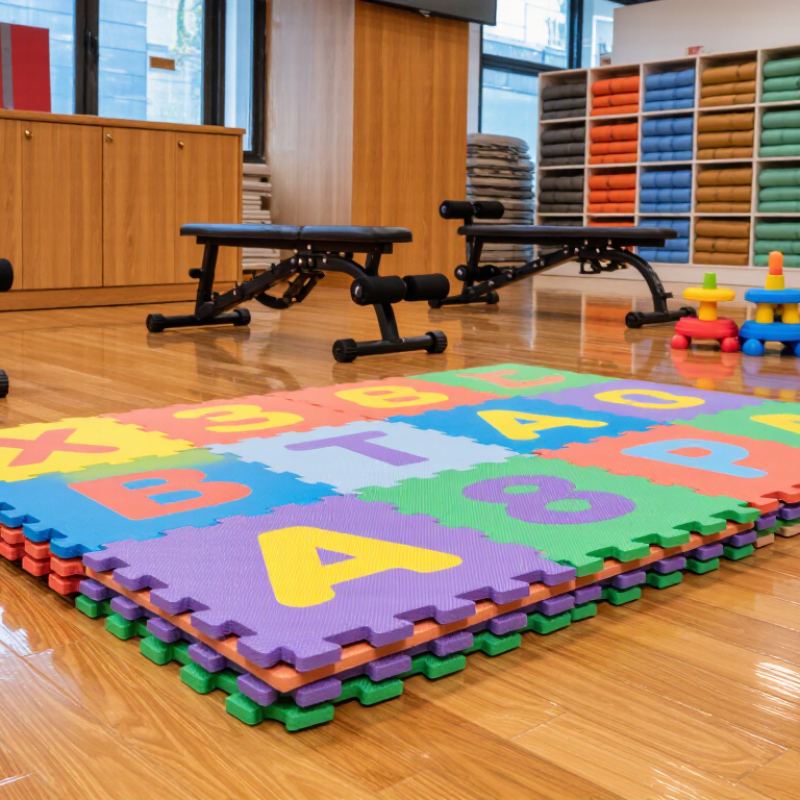
ABC foam mats are interlocking floor tiles, often made from lightweight, cushioned foam. Many sets include removable letters or numbers, turning a play surface into a simple learning area. Their bright colors can help define a children’s corner in a daycare, indoor play space, or family-focused shop. They can also make floor demonstrations more comfortable during short activities. That matters. Staff may spend time kneeling beside children or arranging toys on the floor.
Business needs differ. A preschool may value easy-to-clean surfaces and clear letter shapes, while a play café may prioritize quick setup and storage. Check tile thickness, edge fit, surface texture, and cleaning instructions before buying. Measure the usable floor area, including space around tables and doorways. A sample tile can reveal whether the foam feels too soft or the colors look overwhelming under your lighting. Small details count.
Foam mats are not a replacement for attentive supervision, and seams may loosen with frequent movement. Inspect them regularly. Some floors also need a non-slip layer beneath the tiles. I would avoid choosing by color alone; a cheerful mat can still be awkward to store or clean. Ask staff who will use it daily. Their practical feedback may expose a detail the product listing misses.
How to Choose ABC Foam Mats: Floor Coverage by Tile Quantity
This planning example assumes each foam tile measures 30 × 30 cm (0.09 m²). Coverage is calculated as tile quantity × 0.09 m², before allowing for trimming or layout adjustments. Check the actual tile dimensions and usable coverage before ordering for your business.
Identifying Your Space, Audience, and Operational Needs
Begin with the room, not the product. Measure the usable floor after accounting for doors, storage, machines, and walking routes. A mat that fits on paper may block a doorway once people arrive. Note whether the space is a childcare room, a small training studio, or a senior activity area; each has different movement, cleaning, and comfort needs. The CDC reports that about 14 million U.S. adults aged 65 and older fall each year, roughly one in four. For senior programs, this makes stable edges and predictable transitions especially important. It does not mean that the softest mat is automatically safest.
Then match the mat to its daily users and workload. Children may need a wipeable surface for frequent spills, while floor exercise classes need enough coverage for people to stretch without crossing seams. Check the mat’s thickness, edge fit, and compatibility with the cleaners your staff actually use. The U.S. Bureau of Labor Statistics recorded 450,540 nonfatal workplace cases involving falls, slips, or trips in 2022. That figure covers many industries, not mat-related incidents alone, but it underlines why clear paths matter. Test a sample in the real room. Clean it, move equipment over it, and inspect the seams after a busy day. I would measure twice; floor plans can still be wrong.
Comparing Foam Density, Surface Design, and Safety Features
How to Choose the Best ABC Foam Mat for Your Business?
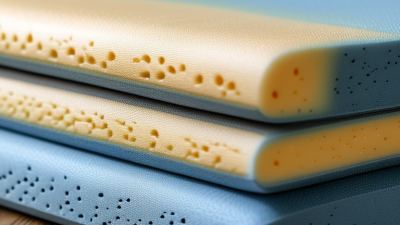
Foam density affects how a mat feels and holds up, but it is not a safety score. Compare density alongside thickness, compression recovery, and test results for the finished mat. In a childcare room, a mat that feels soft under one hand may still compress quickly beneath a chair or repeated foot traffic. Ask suppliers for documented performance data, not just a density figure. That detail matters.
Surface design should suit daily use. Raised letters and textured finishes can help little hands grip, but deep grooves may trap crumbs and cleaning liquid. Check whether the surface wipes clean without becoming slippery when damp. A sample on your actual floor is useful; showroom lighting hides scuffs, and a small sample cannot reveal every wear issue.
Safety documentation deserves close attention. The U.S. Consumer Product Safety Commission’s Public Playground Safety Handbook reports that about 79% of playground injuries involve falls to the surface. This is a playground statistic, not a guarantee about indoor ABC mats, but it shows why impact performance deserves scrutiny. For play areas, ask whether the complete surfacing system has been tested to ASTM F1292, which measures impact attenuation. Also inspect interlocking edges, trip points, and material disclosures. A tidy specification sheet can still leave questions unanswered. Be willing to ask them.
Selecting the Right Mat Size, Thickness, and Configuration
For a business, mat dimensions should match the way people move through the room. Measure the usable floor area, then leave space for doors, storage, and walkways. In a children’s activity area, larger tiles can reduce visible seams across open play zones. Smaller tiles may fit around pillars or irregular corners more easily. Measure twice. A neat plan on paper can still overlook a doorway swing.
Thickness depends on the activity and the floor beneath the mat. Thicker foam may provide more cushioning, but it can also create a noticeable edge where people enter or move equipment. Check the mat’s stated dimensions and intended use, and compare samples on your actual floor if possible. For busy spaces, consider how easily staff can lift, clean, and replace individual tiles. Interlocking layouts offer flexibility, though joints may need regular inspection. The perfect setup is not always obvious.
Tips: Sketch the room and mark high-traffic routes before ordering. Choose a configuration that lets you replace damaged sections without dismantling the whole floor. Leave a little room for changes; businesses often rearrange spaces after opening.